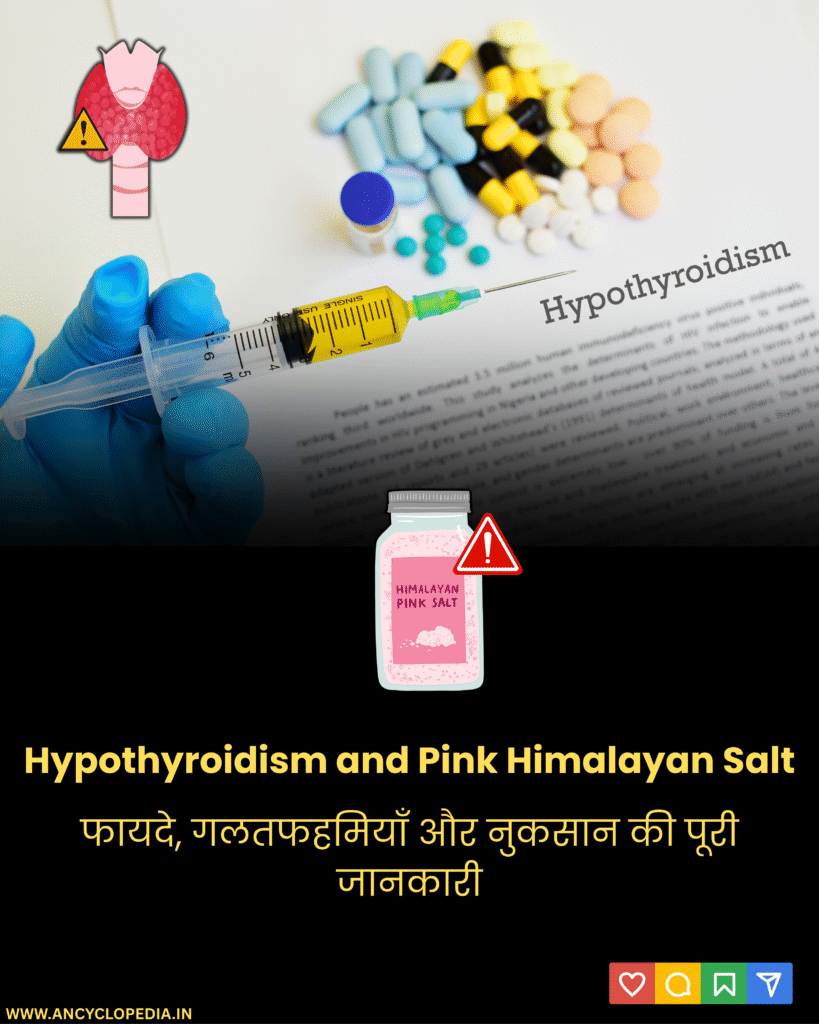

Hypothyroidism and pink Himalayan salt are rarely discussed together, but new evidence suggests this trendy salt may contribute to worsening thyroid health. Many unknowingly follow health advice that may lead to serious issues.
Hypothyroidism and Pink Himalayan Salt have become closely linked in recent health discussions. While pink salt is praised by many influencers, science tells a different story – especially for your thyroid.
Table of Contents
Hypothyroidism and Pink Himalayan Salt have become closely linked in recent health discussions. While pink salt is praised by many influencers, science tells a different story – especially for your thyroid.
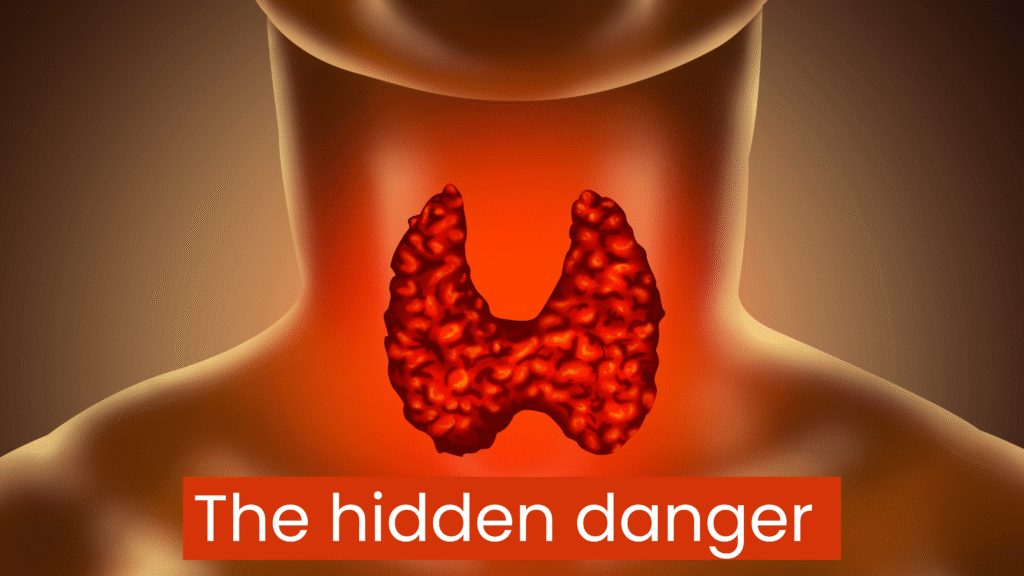
– The Hidden Danger – How Instagram Misinformation Is Fueling Hypothyroidism
Introduction: The Salt Controversy in Modern Health Trends
In recent years, thanks to the influence of health influencers and self-proclaimed wellness coaches, pink Himalayan salt has been widely promoted as a so-called “miracle” alternative to regular iodized salt. As a result, their claims—often lacking scientific evidence—have led many people, especially in urban India, to completely abandon iodized salt. However, this health trend has come at a significant cost. Increasingly, experts are observing a surge in hypothyroidism cases, which is directly linked to iodine deficiency. Consequently, the thyroid gland, a critical component of the human endocrine system, is being adversely affected. Therefore, it is crucial to re-examine such wellness trends before embracing them blindly.
– Why Iodine Matters : A Micronutrient with a Major Role
Iodine Deficiency, Thyroid Health
The World Health Organization (WHO) recommends iodized salt as the most effective public health strategy to prevent iodine deficiency disorders (IDDs).
Common Consequences of Iodine Deficiency:
| Problem | Description |
|---|---|
| Goiter | Swelling of the thyroid gland |
| Hypothyroidism | Fatigue, weight gain, depression |
| Mental Retardation in Children | Due to maternal iodine deficiency |
| Developmental Delays | Especially in infants and young children |
– The Rise of Pink Salt : Trend Over Science
Pink Himalayan Salt, Social Media Health Myths
Health influencers often highlight pink salt’s trace minerals like magnesium, potassium, and iron. However, these minerals exist in minute, non-beneficial quantities. The real problem is that pink salt usually lacks sufficient iodine, which our body cannot produce on its own.
- “I switched to pink salt for ‘clean eating’, but no one told me about iodine”– a real quote from a hypothyroidism patient in Mumbai.
– Instagram Health Gurus : Spreading Half-Truths
Health Misinformation, Instagram Trends
With millions of followers, so-called wellness coaches post unverified information without consulting certified nutritionists or doctors. While they promote pink salt as “pure” or “natural,” they fail to educate their audience about iodine deficiency and its consequences.
Thyroid Statistics India
According to the Indian Thyroid Society:
- 1 in 10 adults in India suffers from hypothyroidism
- Urban middle-class women are most at risk
- Iodine deficiency is still prevalent in certain regions, especially where pink salt is in fashion
– The Government’s Push for Iodized Salt
The FSSAI (Food Safety and Standards Authority of India) mandates the use of iodized salt in processed food and households. Avoiding it without a medical reason undermines this national effort.
– What You Should Do : Simple Solutions to Avoid Health Risks
Thyroid Health Tips, Correct Salt Use
- ✅ Continue using iodized salt for daily cooking
- ✅ Consult a doctor or dietitian before changing dietary essentials
- ✅ Avoid falling for viral Instagram trends without scientific backing
- ✅ If you prefer pink salt, combine it with iodized salt to meet iodine needs
- ✅ Get regular thyroid check-ups especially if you feel fatigued, cold, or gain weight unexpectedly
– Conclusion
In today’s digital era, where a single viral Instagram post can influence millions, it’s critical to differentiate between science-backed nutrition and social media-driven trends. The sudden rise in the use of pink Himalayan salt is a clear example of how misinformation can silently damage public health.
While pink salt may look exotic and claims to contain “84 trace minerals” , these minerals exist in such tiny amounts that they don’t offer any real health benefits.
Unfortunately, as more people follow wellness influencers who spread half-truths, the number of hypothyroidism cases has increased significantly. Fatigue, hair loss, weight gain, mood disorders, and even developmental issues in children are all linked to iodine deficiency.
In short:
- Iodized salt is essential for thyroid health.
- Pink salt is trendy, not necessarily healthy.
- Don’t believe everything on Instagram.
- Choose science over style when it comes to nutrition.
By making informed choices, we not only protect ourselves but also set an example for our families and communities. Let’s prioritize facts, not fads, and preserve the health of our nation – one pinch of iodized salt at a time.
